Huss Valley Beginner Guide: Learn the Crossing Round
Learn your role in Huss Valley, finish a first crossing, and understand how caught runners change the teams for the next round.
Start Huss Valley by learning the crossing round: runners try to reach the opposite side of a rectangular field, while the chaser tries to catch them. Your first useful goal is completing a crossing and understanding what changes after someone is caught.
Find your role before leaving the starting side
One player starts as the chaser; the others are runners. Those roles give you opposite jobs, so identify yours before following the crowd. As a runner, your destination is the finish side. As the chaser, your targets are the runners making that journey.
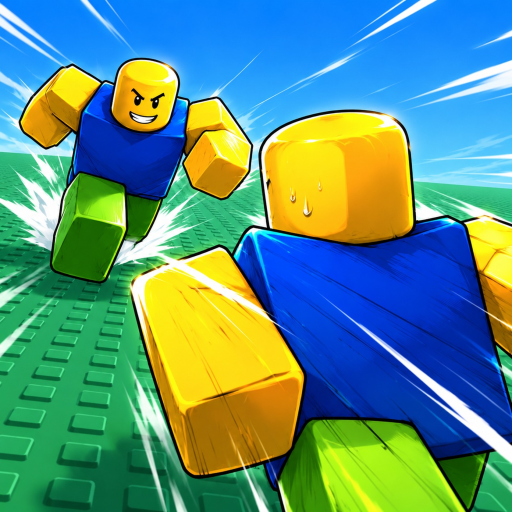
This beginner walkthrough shows the crossing-and-tag loop. Watch how the two teams use the same field for different purposes.
A busy field can make the game look like everyone is simply sprinting around. Keep your own objective clear: getting across is useful for a runner, while reaching a runner is useful for the chaser. Following another player without knowing their role can send you toward the wrong task.
Make one crossing your first milestone
Locate the opposite side, then look at where the chaser stands between you and that destination. Choose a crossing that takes you away from immediate contact rather than moving straight toward the nearest opponent. This is a starting recommendation, not a claim that one side of the field is always safe.
Keep the finish in your plan after you begin moving. Dodging is useful when it helps you continue the crossing. Running in circles around a chaser may feel active, but it leaves the same opponent between you and the goal. When a gap opens, use it to advance toward the other side.
After reaching the destination, follow the next round's direction. Treat the field as a repeated crossing challenge rather than assuming your first successful trip ends the match. Your next decision begins with the new arrangement of players.
Understand why the teams change
A caught runner joins the chaser side in the following round. That makes every catch matter beyond the immediate encounter: the remaining runners face another opponent next time. The chaser team aims to convert all runners.
If you are caught, prepare to help the chaser team rather than continuing your old runner route. The change gives you another part of the game to learn. Watch which runners are still trying to cross and think about where their destination takes them.
| Checkpoint | Your useful next action |
|---|---|
| You start as a runner | Identify the opposite side and an opening past the chaser. |
| You start as the chaser | Focus on runners crossing toward their destination. |
| A runner is caught | Expect that player to join the chaser side next round. |
| You finish a crossing | Prepare for the next direction and changed team positions. |
Leave the session with a clear next lesson
Once you understand the role change, pick the problem that actually stopped you. Difficulty using the movement inputs belongs in the controls guide. Difficulty keeping speed through a turn belongs in the movement guide. Learning the runner's whole match objective belongs in the runner guide.
Choose one lesson for the next match. Separating an input problem from a route-choice problem makes practice more useful: knowing which button to press will not automatically tell you when to cross, and choosing a good opening will not help if you cannot steer toward it.
First-session questions
Is getting caught the end of playing the match?
The caught player joins the chaser side in the following round. Use that role change to learn how the other team approaches the same crossing.
What should a beginner prioritize?
Understand your role and the destination first. Those two facts give every later movement and chase decision a purpose.