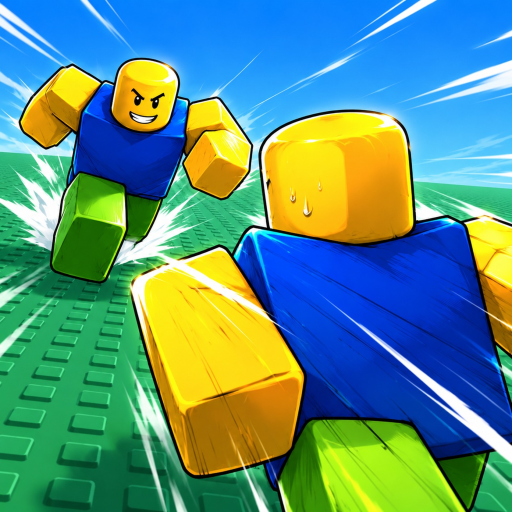
Huss Valley Catcher Tips: Routes, Targets, and Missed Pursuits
Read Huss Valley runner routes, diagnose missed pursuits, and choose useful positions as the catching team grows.
Improve your Huss Valley catching by reading where a runner needs to go. A pursuit that contests the route to the opposite side has a clearer purpose than simply following a character who is already moving away.
Think ahead of the runner's crossing
The resource guide recommends reading a target's direction rather than blindly pursuing from behind. Apply that idea to the actual field: identify the runner, their finish side, and the opening they appear to be using.
This gameplay introduction provides the crossing context for the advice below. The recommendations concern route choices rather than measured combat statistics.
Choose a route that brings you toward the crossing you want to contest. If your movement merely traces the runner's path from a distance, reconsider whether another approach creates a useful encounter. This does not mean a particular angle guarantees a catch; the positions and the runner's next decision still matter.
Separate a target choice from a movement habit
A nearby runner is an obvious target, but proximity alone does not tell you whether you can contest their route. Look at the direction they are taking and the distance they still need to cross before committing your pursuit.
Avoid changing targets solely because another character briefly moves closer. Repeated changes can turn your movement into a series of unfinished pursuits. Change because the original crossing is no longer useful to contest or because another runner presents a clearer opportunity.
My recommendation is to review a missed encounter in terms of the route. Were you behind the runner throughout? Did you move toward a destination they had already passed? Did you switch away from a target just as their crossing became contestable? These questions identify different corrections.
Use the next round's extra chasers deliberately
A caught runner joins the catching side next round. That gives the team more players, but it does not automatically cover every useful route. Read where teammates actually stand before adding yourself to the same cluster.
When one opening already has attention, consider another route the runners can use. This is a conditional recommendation based on the changing teams, not a claim that spreading out always wins. A teammate's presence matters only in relation to the crossing you are trying to contest.
| What happened | What to reconsider |
|---|---|
| You followed behind until the runner reached the destination | Choose an approach that contests their remaining crossing. |
| You switched targets repeatedly | Commit to a route with a clear interception purpose. |
| Several chasers covered the same small area | Check which other opening remains available. |
| A caught runner changed sides | Reassess the next round with the new team positions. |
Carry one correction into the next encounter
Pick the most relevant route correction and apply it on your next attempt. Keeping the change small makes it possible to understand whether it helped. Moving differently, selecting another target, and changing every timing decision together obscures the reason for the outcome.
You can also learn from being a runner. Notice the opening you would want to use, then consider how a chaser could contest it. Both roles share the same rectangular crossing, so their decisions are connected even though their objectives oppose each other.
Use the catcher guide for the role and team-conversion rule. Use the controls guide when the problem is initiating the movement you intended rather than choosing the pursuit itself.
Interception questions
Is running directly behind a target always wrong?
Judge whether the pursuit can contest their remaining crossing. The recommendation is to read the destination, not to forbid a movement direction in every situation.
Should I copy another chaser's position?
First consider what that position covers. Another available runner route may deserve your attention instead.