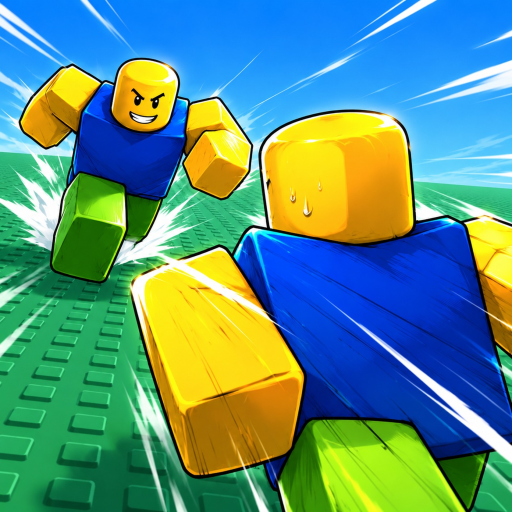
Huss Valley Runner Tips: Choose a Crossing Opening
Choose purposeful Huss Valley runner routes, adjust after catches change the teams, and turn a dodge into progress toward the finish.
The most useful Huss Valley runner tip is to choose an opening that still takes you toward the opposite side. Your route should solve the crossing, while every caught runner adds another chaser to the following round.
Choose the opening before choosing the dodge
Look for a route past the actual opponent positions. A movement change is easier to judge when you know where you want it to end. Decide which opening advances the crossing, then use your movement to reach that opening.
This resource-and-survival guide shows how route choices affect a runner's chance to keep playing through more rounds.
My recommendation is to avoid using a dramatic dodge as the whole plan. A turn can create space, but it has not completed the crossing. Once you have room, continue toward the destination instead of returning to the opponent you just moved away from.
Reconsider a route after a teammate is caught
The next round can contain another chaser because caught runners switch sides. Treat that as a reason to reassess the field. More opponents can stand between your starting side and the finish, so the opening you used before may no longer be the useful one.
Watch positions rather than relying on a memorized lane. If the previous opening is now occupied, choose another path that still leads across. This is conditional positioning advice based on the role-conversion rule, not a claim that a particular edge or corner is permanently protected.
Do not assume that the loudest or fastest-moving teammate has found a safe route for you. Their timing and the opponents watching them may differ from yours. Use their movement as information about the field, then make your own destination decision.
Make your next attempt answer one mistake
| Situation | Suggested decision | What it improves |
|---|---|---|
| You keep circling the same chaser | Take the space gained toward the finish | The dodge becomes part of a crossing. |
| The previous lane now has another opponent | Choose a different opening before starting | Your route reflects the changed teams. |
| You follow someone without a destination | Identify your own finish-side opening | You can judge whether the route helps you. |
| Your last turn led back into the crowd | Choose where the turn should end first | Your movement has an intended result. |
After a failed crossing, choose the correction that fits what happened. If you never had a destination beyond the first opponent, plan the follow-through. If the destination was useful but already covered, change the opening. If you were surprised by an extra chaser, reassess the team arrangement earlier.
This keeps practice tied to a concrete route decision. Changing every movement habit at once makes it harder to identify why the next crossing went better or worse. Keep a working part of the route and correct the part that actually exposed you.
Keep survival and style in perspective
A successful crossing matters more than making a dodge look impressive. Choosing a simple opening can be useful when it gets you past the chaser line. Repeating a stylish turn beside an opponent gives that opponent more chances to stop your progress.
There is also a team consequence to being caught: you become another chaser in the following round. That makes a risky route more than an individual highlight attempt. Consider whether the opening is useful for reaching the destination before treating the encounter as a duel.
For the full role and win condition, use the runner guide. For timing a direction change, use speed and turning. Each page addresses a different reason a crossing can fail.
Route-choice questions
Should I always use the same side?
Choose from the positions in the actual round. A previously useful opening can change when caught players join the chaser team.
What makes a dodge useful?
It creates space you can turn into progress toward the opposite side. The crossing remains the objective after the opponent misses you.